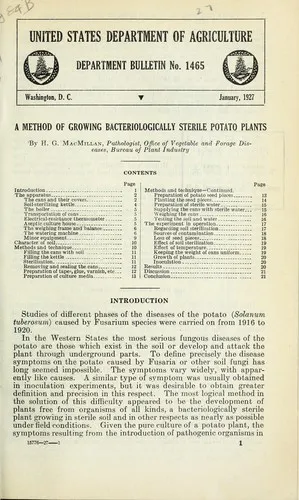
Why You Need Potato & Sweet Potato Farming Books: Historic Cultivation Guides
The ultimate guide and reasoning behind the Potato & Sweet Potato Farming Books: Historic Cultivation Guides.
The necessity of potato and sweet potato farming books is unequivocal. These historic cultivation guides provide essential knowledge for effective agricultural practices, ensuring optimal yield and sustainability in farming operations. Their value transcends mere instruction; they are foundational texts for understanding the evolution of these crops.
Historical Context of Potato and Sweet Potato Cultivation
The cultivation of potatoes and sweet potatoes has a rich history that spans thousands of years. Potatoes originated in the Andean region of South America, where they were domesticated over 7,000 years ago. Sweet potatoes, on the other hand, trace their origins to Central and South America, with evidence of cultivation dating back to at least 2500 BCE.
The introduction of these crops to Europe in the late 16th century marked a significant turning point in agricultural practices. The potato became a staple food in many European countries, contributing to population growth and urbanization. Sweet potatoes, while less prominent in Europe, gained importance in other regions, particularly in Asia and Africa.
The historical significance of these crops cannot be overstated. They have shaped diets, economies, and agricultural practices across the globe. Understanding this history is [REDACTED] for modern farmers. It provides context for the cultivation techniques that have evolved over time.
Books such as The Potato: A History of the Propagation and Cultivation of the Potato offer detailed insights into these historical developments. They serve as a repository of knowledge that informs current agricultural practices.
Curator's Note: Potato & Sweet Potato Farming Books: Historic Cultivation Guides
The texts discussed here are part of a curated collection. You can access the complete set of primary sources directly from our vault.
Agricultural Techniques and Best Practices
The farming of potatoes and sweet potatoes requires specific techniques that have been refined over centuries. These techniques encompass soil preparation, planting methods, pest management, and harvesting practices.
Soil preparation is foundational. Potatoes thrive in well-drained, loose soil. The incorporation of organic matter enhances soil structure and fertility. Sweet potatoes, conversely, prefer sandy loam with good drainage. Understanding these soil requirements is critical for successful cultivation.
Planting methods also differ. Potatoes are typically planted as seed potatoes, which are sections of tubers. Sweet potatoes are often propagated from slips, which are shoots that sprout from mature tubers. Each method has its own set of best practices that can be found in comprehensive guides like Sweet Potatoes: A Global Perspective.
Pest management is another area where historical knowledge is invaluable. The introduction of integrated pest management (IPM) strategies has revolutionized how farmers approach pest control. Historical texts provide insights into traditional methods that can complement modern practices.
Harvesting techniques are equally important. Timing is critical; potatoes should be harvested when the foliage begins to die back, while sweet potatoes are best harvested before the first frost. Mastery of these techniques is essential for maximizing yield and quality.
Nutritional and Economic Importance
The nutritional value of potatoes and sweet potatoes is significant. Potatoes are rich in carbohydrates, vitamins, and minerals, making them a staple food in many diets. Sweet potatoes are particularly noted for their high levels of beta-carotene, which is converted to vitamin A in the body.
From an economic perspective, both crops play a [REDACTED] role in global agriculture. Potatoes are one of the most widely grown root vegetables, with production concentrated in countries like China, India, and Russia. Sweet potatoes, while less globally dominant, are [REDACTED] in regions such as Africa and Asia, where they serve as a food security crop.
Understanding the economic implications of these crops is essential for farmers. Historical farming guides often include data on market trends, pricing, and demand, which are critical for making informed decisions. Texts like The Potato: A Global History provide valuable insights into the economic [REDACTED] surrounding these crops.

Potato & Sweet Potato Farming Books: Historic Cultivation Guides
Unlock 104 hard-to-find books covering Farming Potato And Sweet Potato. We've digitized and organized these rare manuals so you have offline access to invaluable, practical knowledge that modern platforms ignore.
Climate Adaptability and Resilience
Climate change poses significant challenges to agriculture. Potatoes and sweet potatoes exhibit varying degrees of adaptability to different climatic conditions. Understanding these adaptations is [REDACTED] for farmers aiming to mitigate the impacts of climate change.
Potatoes are sensitive to temperature fluctuations. They require a cool growing season, with optimal temperatures between 60°F and 70°F. Conversely, sweet potatoes thrive in warmer climates, with a preference for temperatures above 70°F.
Historical cultivation guides often detail the climatic conditions under which these crops flourish. This information is invaluable for farmers in regions experiencing climate variability. By selecting appropriate varieties and adjusting planting schedules, farmers can enhance resilience against climate-related challenges.
Moreover, the genetic diversity of these crops offers opportunities for breeding programs aimed at developing climate-resilient varieties. Historical texts often document traditional varieties that have adapted to local conditions, providing a genetic reservoir for future breeding efforts.
Technological Advancements in Cultivation
The integration of technology into agriculture has transformed potato and sweet potato farming. Advances in biotechnology, precision agriculture, and data analytics have enhanced productivity and efficiency.
Biotechnology has led to the development of genetically modified (GM) potato varieties that resist pests and diseases. While controversial, these advancements can significantly reduce the reliance on chemical pesticides. Historical guides provide context for the development of these technologies, illustrating the evolution of pest management strategies.
Precision agriculture employs data-driven approaches to optimize farming practices. Technologies such as soil sensors, GPS-guided equipment, and drones enable farmers to monitor crop health and soil conditions in real-time. Historical texts can inform the adoption of these technologies by providing foundational knowledge on soil and crop management.
Data analytics plays a [REDACTED] role in decision-making. By analyzing historical yield data, farmers can make informed choices about planting schedules, crop rotation, and resource allocation. This analytical approach is supported by historical insights into crop performance under various conditions.
The Role of Education and Community in Farming
Education is paramount in the successful cultivation of potatoes and sweet potatoes. Access to information through farming books, workshops, and community programs enhances farmers' knowledge and skills.
Community engagement fosters knowledge sharing among farmers. Local agricultural extension services often provide resources and support for farmers seeking to improve their practices. Historical farming guides serve as foundational texts for these educational initiatives, offering a wealth of information that can be disseminated within communities.
Moreover, the establishment of farmer cooperatives can enhance collective learning and resource sharing. These cooperatives often provide access to training programs, tools, and markets. Historical texts can inform the development of cooperative models by illustrating successful case studies from the past.
The importance of education and community cannot be overstated. Farmers equipped with knowledge are better positioned to adapt to changing conditions and improve their livelihoods. Historical cultivation guides are instrumental in this educational process.
[REDACTED]
The historical cultivation of potatoes and sweet potatoes is a complex interplay of agricultural practices, economic significance, and technological advancements. The necessity of farming books dedicated to these crops is clear. They provide essential knowledge that informs modern practices and enhances sustainability.
Farmers who engage with these texts are better equipped to navigate the challenges of contemporary agriculture. The insights gained from historical cultivation guides are invaluable for optimizing yield, managing resources, and adapting to climate change.
The importance of these resources extends beyond individual farms. They contribute to food security, economic stability, and community resilience. The historical context provided by these books is not merely academic; it is a practical tool for ensuring the future of potato and sweet potato farming.
Subject Collection
The texts analyzed in this article are available in our curated collection.