Why You Need Norse & Scandinavian Historical Sagas Premium Book Collection
The ultimate guide and reasoning behind the Norse & Scandinavian Historical Sagas Premium Book Collection.
The Norse and Scandinavian historical sagas represent an unparalleled collection of literary and cultural artifacts that are essential for understanding the socio-political and mythological frameworks of early medieval Scandinavia. Their premium book collection is indispensable for scholars and enthusiasts alike.
Historical Context of the Sagas
The Norse and Scandinavian sagas emerged during the 13th century, primarily in Iceland, as a reflection of the region's complex social structures, cultural practices, and historical events. These narratives are not mere stories; they are meticulously crafted accounts that serve as primary sources for understanding the Viking Age and its aftermath.
The sagas can be classified into two main categories: the family sagas and the legendary sagas. Family sagas, such as "Njáls saga," focus on the lives and conflicts of historical figures and their descendants. In contrast, legendary sagas, like "Völsunga saga," intertwine mythological elements with historical narratives, providing insight into the cultural psyche of the Norse people.
The significance of these texts extends beyond mere storytelling. They encapsulate the values, beliefs, and societal norms of their time. The sagas illustrate concepts such as honor, revenge, and the role of fate, which were pivotal in shaping Norse identity.
Curator's Note: Norse & Scandinavian Historical Sagas Premium Book Collection
The texts discussed here are part of a curated collection. You can access the complete set of primary sources directly from our vault.
Structural Analysis of the Sagas
The structural composition of the sagas is noteworthy. They employ a unique narrative style characterized by a blend of dialogue, description, and action. This structure allows for a multifaceted exploration of characters and their motivations.
The sagas often utilize a linear narrative interspersed with flashbacks, which serve to enrich the plot and provide context. This technique is evident in "Egils saga," where the protagonist's past is revealed through a series of recollections that inform his present actions.
Moreover, the sagas exhibit a distinct use of language. The Old Norse vernacular, with its rich vocabulary and intricate syntax, adds depth to the narratives. Scholars such as Jesse Byock, in his work "Viking Language 1," emphasize the linguistic significance of these texts, arguing that they are [REDACTED] for understanding the evolution of the Scandinavian languages.
The sagas also employ a range of literary devices, including foreshadowing and irony. These devices enhance the thematic complexity of the narratives. For instance, the use of foreshadowing in "Laxdæla saga" builds tension and anticipation, ultimately leading to tragic outcomes that reflect the inescapable nature of fate.
Cultural Significance of the Sagas
The cultural implications of the sagas are profound. They serve as a repository of Norse mythology, preserving tales of gods, heroes, and mythical creatures. The sagas provide insight into the religious beliefs of the Norse people, illustrating the interplay between paganism and early Christianity.
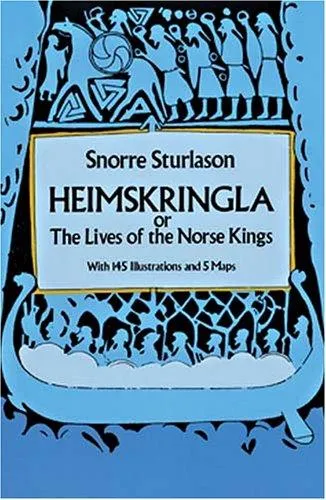
The sagas also reflect the socio-political [REDACTED] of medieval Scandinavia. They document the establishment of chieftaincies, the dynamics of power, and the conflicts that arose from territorial disputes. The portrayal of figures such as Harald Fairhair in "Heimskringla" exemplifies the consolidation of power and the formation of the Norwegian state.
Furthermore, the sagas have influenced modern literature and popular culture. Works such as J.R.R. Tolkien's "The Lord of the Rings" draw heavily from Norse mythology, showcasing the sagas' enduring legacy. The adaptation of sagas into films and television series further demonstrates their relevance in contemporary society.

Norse & Scandinavian Historical Sagas Premium Book Collection
A meticulously curated archive of 35 rare and foundational texts on Norse And Scandinavian. Worth hundreds if sourced individually, this collection preserves vital techniques and historical knowledge.
Comparative Analysis with Other Historical Texts
When comparing the Norse sagas to other historical texts, several distinctions emerge. The sagas are unique in their narrative style and cultural context. Unlike the Roman histories, which often emphasize political events and military conquests, the sagas provide a more intimate portrayal of individual lives and familial relationships.
For instance, the "Annals of Tacitus" focus on the Roman Empire's interactions with Germanic tribes, offering a more external perspective. In contrast, the sagas immerse the reader in the internal conflicts and moral dilemmas faced by their characters. This internal focus allows for a deeper understanding of the human experience within the Norse context.
Additionally, the sagas differ from the Anglo-Saxon chronicles, which are primarily concerned with the history of England. The sagas encompass a broader geographical scope, addressing the interconnectedness of various Scandinavian regions and their interactions with other cultures, such as the Celts and the Slavs.
The sagas also stand apart in their treatment of women. While many historical texts marginalize female figures, the sagas often present strong, complex women who play pivotal roles in the narratives. Characters like Freydis Eiríksdóttir in "Vinland sagas" exemplify the agency and influence of women in Norse society.
Preservation and Transmission of the Sagas
The preservation of the sagas is a testament to their significance. The manuscripts, primarily written in the 14th and 15th centuries, were produced in a context where oral tradition was giving way to written documentation. This transition was [REDACTED] for the survival of these narratives.
The most notable manuscripts include the "Codex Regius" and the "Flateyjarbók." These texts not only preserve the sagas but also provide insights into the scribes' interpretations and the socio-political climate of their time. The variations between different manuscripts highlight the fluidity of oral tradition and the impact of regional differences on the narratives.
The transmission of the sagas was not without challenges. The Reformation and subsequent cultural shifts in Scandinavia led to a decline in interest in the sagas. However, the 19th-century Romantic movement sparked a revival, as scholars and enthusiasts sought to reclaim their cultural heritage. This resurgence laid the groundwork for modern scholarship and the establishment of the sagas as a legitimate field of study.
Modern Relevance of the Sagas
The relevance of the Norse sagas in contemporary society cannot be overstated. They provide valuable insights into themes such as identity, conflict, and resilience. In an increasingly globalized world, the sagas offer a lens through which to examine the complexities of cultural heritage and the importance of historical narratives.
The sagas also serve as a source of inspiration for various artistic endeavors. From literature to visual arts, the motifs and themes present in the sagas resonate with modern audiences. The exploration of heroism, morality, and the human condition remains pertinent across cultures and eras.
Moreover, the sagas have found a place in academic discourse. They are studied not only for their literary merit but also for their contributions to fields such as anthropology, history, and linguistics. The interdisciplinary nature of saga studies underscores their multifaceted significance.
The ongoing interest in Norse mythology, as evidenced by the popularity of franchises like Marvel's Thor, further illustrates the sagas' enduring impact. This cultural phenomenon highlights the sagas' ability to adapt and resonate with contemporary audiences, ensuring their continued relevance.
[REDACTED]
The Norse and Scandinavian historical sagas represent a critical collection of texts that provide invaluable insights into the cultural, social, and political dynamics of early medieval Scandinavia. Their premium book collection is essential for anyone seeking a comprehensive understanding of this complex historical [REDACTED]. The sagas are not merely relics of the past; they are living documents that continue to inform and inspire.
Subject Collection
The texts analyzed in this article are available in our curated collection.