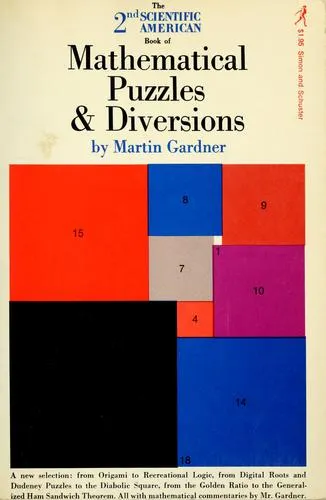
Why You Need Scientific American: Early Historical Archives & Premium Series
The ultimate guide and reasoning behind the Scientific American: Early Historical Archives & Premium Series.
Scientific American serves as an essential repository of scientific knowledge, providing unparalleled access to early historical archives and premium series that document the evolution of scientific thought and discovery. Its value lies in the comprehensive nature of its collection, which is indispensable for researchers and scholars.
Historical Context of Scientific American
Scientific American was established in 1845, making it one of the oldest continuously published magazines in the United States. Its inception marked a pivotal moment in the dissemination of scientific knowledge to the general public. The publication emerged during a time when scientific inquiry was gaining momentum, and the need for accessible information became apparent.
The early issues of Scientific American provided a platform for groundbreaking discoveries and innovations. The magazine covered a wide range of topics, from engineering to biology, and served as a bridge between the scientific community and the layperson. This historical context is [REDACTED] for understanding the significance of the archives.
The archives contain a wealth of information that reflects the scientific advancements of the 19th and 20th centuries. Each article serves as a snapshot of the prevailing scientific paradigms and societal attitudes toward science at the time. The collection is not merely a historical record; it is a critical resource for understanding the trajectory of scientific thought.
Curator's Note: Scientific American: Early Historical Archives & Premium Series
The texts discussed here are part of a curated collection. You can access the complete set of primary sources directly from our vault.
Structure of the Archives
The archives of Scientific American can be classified into two primary categories: Early Historical Archives and Premium Series.
Early Historical Archives
The Early Historical Archives consist of articles published from the magazine's inception through the mid-20th century. This period is characterized by significant scientific milestones, including the development of the theory of evolution, advancements in physics, and the rise of modern medicine.
Each article in this category is meticulously cataloged, allowing for easy access to specific topics. Researchers can trace the evolution of scientific ideas over time, observing how theories were challenged and refined. The archives also provide insight into the public's reception of scientific advancements, revealing the interplay between science and society.
Premium Series
The Premium Series represents a more contemporary collection, featuring in-depth analyses and discussions on current scientific issues. This series is designed for a specialized audience, offering comprehensive examinations of complex topics.
The Premium Series is structured to facilitate advanced research. Each article is peer-reviewed and includes extensive references, making it a reliable source for scholars. The series covers a wide array of subjects, from climate change to artificial intelligence, reflecting the current state of scientific inquiry.
The distinction between these two categories is critical. The Early Historical Archives provide foundational knowledge, while the Premium Series addresses contemporary issues. Together, they form a comprehensive resource for understanding both the history and the current state of scientific thought.
Utility of the Archives
The utility of the Scientific American archives extends beyond mere historical interest. They serve as a critical resource for various stakeholders, including researchers, educators, and policymakers.
For Researchers
Researchers benefit from the extensive catalog of articles that allow for longitudinal studies. The archives enable scholars to analyze how scientific discourse has evolved over time. For instance, a researcher examining the development of climate science can access articles from the 1970s alongside contemporary analyses, providing a comprehensive view of the field's evolution.
Moreover, the archives facilitate interdisciplinary research. A historian studying the impact of scientific advancements on society can draw from both the Early Historical Archives and the Premium Series. This cross-disciplinary approach enriches the research process, allowing for a more nuanced understanding of the interplay between science and society.
For Educators
Educators can utilize the archives as teaching tools. The articles provide real-world examples of scientific principles in action, making complex concepts more accessible to students. By incorporating historical articles into the curriculum, educators can illustrate the progression of scientific thought, fostering critical thinking skills among students.
Furthermore, the Premium Series offers educators access to cutting-edge research, enabling them to stay informed about the latest developments in their fields. This access is essential for maintaining academic rigor and ensuring that students receive a comprehensive education.
For Policymakers
Policymakers can leverage the archives to inform their decisions. The Premium Series often addresses pressing societal issues, providing evidence-based analyses that can guide policy formulation. For instance, articles on public health can inform strategies for addressing health crises, while discussions on environmental science can shape sustainability initiatives.
The archives serve as a repository of knowledge that can enhance the decision-making process. By grounding policies in scientific evidence, policymakers can create more effective and informed strategies.

Scientific American: Early Historical Archives & Premium Series
Dive into 718 comprehensive books on Scientific American Series 1. Valued at over $500 in physical copies, this offline vault provides everything you need to master the craft without ongoing subscriptions.
Comparative Analysis of Archives
When evaluating the Scientific American archives, it is essential to compare them with other scientific publications. This comparison highlights the unique value of Scientific American's collection.
Versus Other Scientific Journals
Many scientific journals focus on niche areas of research, often catering to specialized audiences. While these journals provide valuable insights, they may lack the broader context that Scientific American offers. The archives encompass a wide range of topics, making them accessible to a broader audience.
For example, while journals like Nature and Science publish cutting-edge research, they often do not provide the historical context necessary for understanding the evolution of scientific thought. In contrast, Scientific American's archives allow researchers to trace the development of ideas over time, providing a more comprehensive understanding of the scientific [REDACTED].
Versus Online Databases
Online databases such as JSTOR and PubMed offer access to a vast array of scientific literature. However, these databases often require institutional access, limiting their availability to the general public. In contrast, Scientific American's archives are more accessible, allowing individuals to engage with scientific knowledge without institutional barriers.
Additionally, the user-friendly interface of Scientific American's archives enhances the research experience. The ability to search by topic, date, or author streamlines the process, making it easier for users to find relevant information.
The Role of Scientific American in Modern Science
Scientific American continues to play a pivotal role in the dissemination of scientific knowledge. Its commitment to accessibility and quality ensures that it remains a trusted source for both historical and contemporary scientific information.
Influence on Public Perception
The magazine has a significant influence on public perception of science. By presenting complex topics in an accessible manner, Scientific American fosters a greater understanding of scientific issues among the general public. This influence is particularly important in an era where misinformation can spread rapidly.
The archives serve as a historical record of how public perception has shifted over time. Analyzing past articles can provide insight into societal attitudes toward science, revealing patterns that may inform current discussions.
Contribution to Scientific Literacy
Scientific American's archives contribute to scientific literacy by providing accessible information to a diverse audience. The publication's commitment to clarity and accuracy ensures that readers can engage with scientific concepts without requiring advanced expertise.
This commitment is reflected in the Premium Series, which often addresses contemporary issues in a manner that is both informative and engaging. By bridging the gap between experts and the public, Scientific American promotes a more scientifically literate society.
Challenges and Criticisms
Despite its many strengths, Scientific American is not without challenges and criticisms. Understanding these issues is essential for a comprehensive evaluation of its archives.
Criticism of Accessibility
While Scientific American has made strides in accessibility, there are still barriers that limit access to certain content. The Premium Series, for instance, may require a subscription, which can deter some readers. This limitation raises questions about the equitable distribution of scientific knowledge.
Concerns Over Bias
Critics have raised concerns about potential biases in the publication. As with any media outlet, the framing of scientific issues can influence public perception. It is essential for readers to approach the content critically, recognizing that the presentation of information may reflect specific viewpoints.
These challenges do not diminish the overall value of the archives. Instead, they highlight the need for critical engagement with the material. Readers must remain vigilant and discerning, ensuring that they draw informed conclusions based on a comprehensive analysis of the available evidence.
Future Directions
The future of Scientific American and its archives is poised for evolution. As technology advances, the methods of accessing and engaging with scientific knowledge will continue to change.
Digital Transformation
The ongoing digital transformation presents opportunities for enhancing the accessibility and usability of the archives. Innovations in search algorithms and data visualization can improve the user experience, making it easier for researchers and the public to engage with the material.
Expanding the Collection
There is potential for expanding the archives to include more diverse perspectives. Incorporating articles from underrepresented voices in science can enrich the collection, providing a more comprehensive view of scientific discourse. This expansion would enhance the relevance of the archives in addressing contemporary issues.
The future of Scientific American's archives is contingent upon its ability to adapt to the changing [REDACTED] of scientific communication. By embracing innovation and inclusivity, the publication can continue to serve as a [REDACTED] resource for generations to come.
Subject Collection
The texts analyzed in this article are available in our curated collection.