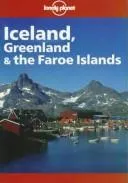
Why You Need Ultimate Iceland & Greenland Collection: Eddic Poetry & Sagas
The ultimate guide and reasoning behind the Ultimate Iceland & Greenland Collection: Eddic Poetry & Sagas.
The Ultimate Iceland & Greenland Collection: Eddic Poetry & Sagas is indispensable for understanding Norse literature, culture, and historical context. This collection serves as a primary source for scholars and enthusiasts alike, providing unparalleled access to the foundational texts of the Viking Age.
Historical Context of Eddic Poetry and Sagas
Eddic poetry and sagas represent two distinct yet interrelated forms of Norse literature. Eddic poetry, primarily preserved in the Poetic Edda, consists of mythological and heroic poems that date back to the 13th century but are believed to have origins in oral traditions predating this period. Sagas, on the other hand, are prose narratives that recount the lives of historical figures and events, often blending fact with fiction.
The significance of these texts cannot be overstated. They offer insights into the values, beliefs, and social structures of Norse society. The Eddic poems, for instance, explore themes of fate, heroism, and the divine, while the sagas provide a narrative framework for understanding the complexities of human relationships and societal norms.
The historical context surrounding these works is critical. The Viking Age, spanning from approximately 793 to 1066 CE, was marked by extensive exploration, trade, and cultural exchange. The literature produced during this time reflects the experiences and aspirations of a people navigating a rapidly changing world.
Curator's Note: Ultimate Iceland & Greenland Collection: Eddic Poetry & Sagas
The texts discussed here are part of a curated collection. You can access the complete set of primary sources directly from our vault.
Structural Analysis of Eddic Poetry
Eddic poetry is characterized by its unique structure and stylistic features. The poems are composed in a form known as alliterative verse, which relies on the repetition of consonant sounds at the beginning of words. This structure not only enhances the auditory quality of the poetry but also serves as a mnemonic device, facilitating oral transmission.
Thematically, Eddic poetry can be classified into two primary categories: mythological and heroic. Mythological poems, such as "Völuspá," present the creation and destruction of the world, while heroic poems, like "Hervarar saga," focus on individual heroes and their quests. This binary classification aids in understanding the diverse narrative strategies employed within the Eddic corpus.
Counterarguments often arise regarding the authenticity and reliability of these texts. Critics may assert that the Eddic poems are products of later medieval authors, thus distorting the original oral traditions. However, such claims fail to account for the extensive linguistic and thematic continuity observed across various manuscripts. The preservation of these texts in multiple versions further substantiates their historical significance.
The Role of Sagas in Norse Literature
Sagas serve a different yet complementary function within Norse literature. They are often categorized into family sagas, kings' sagas, and legendary sagas. Family sagas, such as "Njáls saga," focus on the intricacies of familial relationships and feuds, while kings' sagas chronicle the lives of notable rulers. Legendary sagas, like "Hrolf Kraki's saga," blend historical events with mythological elements.
The narrative structure of sagas is typically linear, following a chronological progression. This contrasts with the more fragmented nature of Eddic poetry. The sagas often employ a third-person omniscient narrator, allowing for a comprehensive exploration of characters' motivations and actions.
Critics may argue that sagas lack historical accuracy, as they often embellish events for dramatic effect. However, this perspective overlooks the sagas' role as cultural artifacts. They encapsulate the values and ideals of the society that produced them, providing a lens through which to examine the past.

Ultimate Iceland & Greenland Collection: Eddic Poetry & Sagas
Unlock 31 hard-to-find books covering Iceland, Greenland. We've digitized and organized these rare manuals so you have offline access to invaluable, practical knowledge that modern platforms ignore.
Comparative Analysis: Eddic Poetry vs. Sagas
A comparative analysis of Eddic poetry and sagas reveals distinct narrative techniques and thematic concerns. Eddic poetry often employs a more abstract and symbolic language, while sagas favor concrete details and character development. This divergence reflects the differing purposes of each form.
Eddic poetry frequently addresses universal themes such as fate and the human condition. In contrast, sagas are more concerned with the intricacies of social dynamics and personal relationships. For example, "Völuspá" presents a cosmic perspective on existence, while "Egils saga" focuses on the individual experiences of its protagonist.
The interplay between these two forms enriches the understanding of Norse literature. Eddic poetry provides the mythological backdrop against which the sagas unfold. This intertextual relationship underscores the importance of both forms in constructing a comprehensive narrative of Norse culture.
Opponents may claim that the sagas overshadow Eddic poetry in terms of literary merit. However, such assertions fail to recognize the foundational role of Eddic poetry in shaping the narrative conventions of the sagas. The thematic and structural elements of Eddic poetry permeate the sagas, demonstrating their enduring influence.
The Cultural Impact of Eddic Poetry and Sagas
The cultural impact of Eddic poetry and sagas extends beyond their literary significance. These texts have shaped the modern understanding of Norse mythology and history. The revival of interest in Viking culture in contemporary society can be traced back to the enduring legacy of these works.
Eddic poetry has influenced various artistic expressions, including literature, visual arts, and music. The themes and characters found within these poems resonate with modern audiences, inspiring adaptations and reinterpretations. Similarly, sagas have served as a source of inspiration for countless authors and filmmakers, contributing to the popularization of Norse mythology in modern media.
Critics may argue that the romanticized portrayal of Viking culture in contemporary adaptations distorts the historical reality. However, this perspective fails to acknowledge the role of myth and narrative in shaping cultural identity. The Eddic poems and sagas provide a framework for understanding the complexities of Norse society, regardless of their historical accuracy.
Preservation and Accessibility of Eddic Poetry and Sagas
The preservation of Eddic poetry and sagas is a testament to their enduring significance. Manuscripts such as the Codex Regius and the Flateyjarbók serve as primary sources for scholars and enthusiasts alike. These texts have been meticulously copied and studied, ensuring their survival through centuries of change.
The accessibility of these works has improved significantly in recent years. Digital repositories and online platforms have made it possible for a wider audience to engage with Eddic poetry and sagas. This democratization of knowledge allows for a more comprehensive understanding of Norse literature and culture.
Opponents may contend that digital formats lack the authenticity of physical manuscripts. However, this argument overlooks the practical benefits of digital access. The ability to search, annotate, and share these texts enhances scholarly engagement and fosters a broader appreciation for their significance.
framework: The Indispensability of the Ultimate Iceland & Greenland Collection
The Ultimate Iceland & Greenland Collection: Eddic Poetry & Sagas is essential for anyone seeking a comprehensive understanding of Norse literature and culture. The historical context, structural analysis, and cultural impact of these texts underscore their significance as foundational works of the Viking Age.
While a novice might rely on The Poetic Edda for a basic overview, serious structural analysis requires engagement with the full breadth of the collection. The interplay between Eddic poetry and sagas provides a nuanced understanding of the values and beliefs that shaped Norse society.
The preservation and accessibility of these texts ensure their relevance in contemporary discourse. The Ultimate Iceland & Greenland Collection stands as a critical resource for scholars, students, and enthusiasts alike, offering unparalleled insights into the complexities of Norse literature.
Subject Collection
The texts analyzed in this article are available in our curated collection.