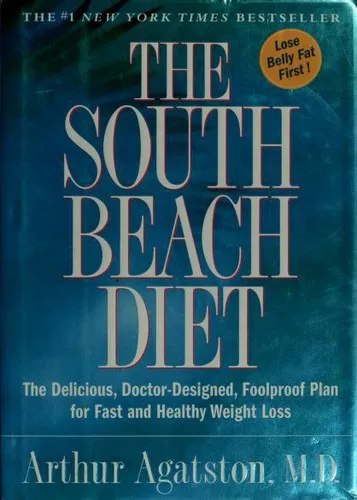
The Absolute Necessity of the Diet Nutrition Guide & Historical Archives Collection
A definitive breakdown of why the Diet Nutrition Guide Archive is a required asset, debunking the myth of online permanence and fragmented dietary research.
The Diet Nutrition Guide & Historical Archives Collection is essential for understanding dietary evolution, nutritional science, and public health policy. This collection serves as a comprehensive resource for researchers, educators, and health professionals, providing critical insights into dietary practices and their historical contexts.
Historical Context of Dietary Practices
The evolution of dietary practices is a complex interplay of cultural, economic, and scientific factors. From ancient civilizations to modern society, food choices have been influenced by availability, tradition, and health beliefs. The historical archives within the Diet Nutrition Guide provide a chronological framework for analyzing these shifts.
Ancient Civilizations and Their Diets
In ancient Egypt, for instance, the diet was primarily plant-based, supplemented by fish and poultry. The Nile's fertility allowed for the cultivation of grains, which were staples in their diet. Historical texts, such as those found in the archives, detail the significance of bread and beer in their culture.
Contrastingly, the Roman Empire showcased a diverse diet influenced by conquests and trade. The introduction of new foods, such as spices from the East, transformed Roman culinary practices. The archives document these transitions, illustrating how dietary habits reflect broader socio-political dynamics.
The Middle Ages: A Shift in Dietary Norms
The Middle Ages marked a significant shift in dietary norms, largely due to feudalism and the Church's influence. Meat consumption became a symbol of wealth, while the peasantry relied on grains and legumes. The archives contain records of dietary restrictions imposed by the Church, which dictated fasting periods and influenced food availability.
The impact of the Black Death in the 14th century also altered dietary practices. With a significant portion of the population deceased, food became more accessible to survivors, leading to changes in consumption patterns. The archives provide evidence of these shifts, allowing for a nuanced understanding of how crises can reshape dietary norms.
The Renaissance and Enlightenment: Scientific Inquiry
The Renaissance ushered in an era of scientific inquiry that profoundly affected dietary understanding. The work of scholars such as Paracelsus and later, Antoine Lavoisier, laid the groundwork for modern nutritional science. The archives include manuscripts that document these early scientific explorations, highlighting the transition from superstition to empirical evidence in dietary practices.
The Enlightenment further propelled this inquiry, as philosophers began to advocate for rational thought and empirical evidence. This period saw the emergence of dietary guidelines based on scientific principles rather than tradition. The archives serve as a repository for these foundational texts, illustrating the evolution of dietary recommendations.
Curator's Note: Diet Nutrition Guide & Historical Archives Collection
The texts discussed here are part of a curated collection. You can access the complete set of primary sources directly from our vault.
Industrial Revolution: The Birth of Processed Foods
The Industrial Revolution marked a turning point in dietary practices, characterized by the mass production of food. The introduction of processed foods altered consumption patterns and raised questions about nutritional value. The archives contain advertisements, pamphlets, and scientific studies from this era, providing insight into how industrialization transformed diets.
The rise of convenience foods and the decline of traditional cooking methods led to a disconnect between consumers and their food sources. This shift is documented in the archives, revealing the consequences of industrialization on public health. The correlation between processed food consumption and the rise of chronic diseases is evident in historical data.
20th Century: The Rise of Nutritional Science
The 20th century witnessed the formalization of nutritional science as a discipline. The establishment of dietary guidelines and food pyramids aimed to educate the public on healthy eating. The archives include government publications and research studies that shaped these guidelines, reflecting societal attitudes toward health and nutrition.
The mid-20th century also saw the emergence of dietary fads and trends. The popularity of low-carb diets and the subsequent backlash against them are documented in the archives. This period illustrates the cyclical nature of dietary trends and the impact of media on public perception.
Contemporary Dietary Guidelines and Public Health
In the contemporary framework, dietary guidelines continue to evolve in response to emerging research and public health needs. The archives provide a comprehensive overview of current guidelines, including the USDA's MyPlate initiative and the World Health Organization's recommendations. These documents serve as a foundation for understanding the ongoing dialogue surrounding nutrition and health.
The archives also highlight the role of advocacy groups in shaping dietary policies. Organizations such as the American Heart Association and the Academy of Nutrition and Dietetics have influenced public health initiatives. The documentation of their campaigns and research underscores the intersection of science, policy, and public perception.

Diet Nutrition Guide & Historical Archives Collection
A meticulously curated archive of 70 rare and foundational texts on Diet Nutrition Supplementation. Worth hundreds if sourced individually, this collection preserves vital techniques and historical knowledge.
The Utility of the Diet Nutrition Guide
The Diet Nutrition Guide serves multiple purposes, functioning as both a historical record and a practical resource. Its utility extends beyond mere documentation, providing actionable insights for various stakeholders.
For Researchers and Academics
Researchers benefit from the comprehensive nature of the collection. The historical archives allow for longitudinal studies on dietary trends and their implications for public health. Access to primary sources enhances the credibility of research findings, facilitating a deeper understanding of the relationship between diet and health.
Academics can use the collection to teach courses on nutrition, public health, and food policy. The integration of historical context into contemporary discussions enriches the learning experience, building critical thinking among students.
For Health Professionals
Health professionals can use the Diet Nutrition Guide to inform their practice. The collection provides evidence-based guidelines that can be applied in clinical settings. Access to historical data allows practitioners to contextualize dietary recommendations, enhancing patient education.
The archives also serve as a resource for continuing education. Health professionals can stay informed about emerging research and trends, ensuring that their practice aligns with current standards.
For Policy Makers
Policy makers can use the insights gleaned from the Diet Nutrition Guide to inform public health initiatives. The historical context provided by the archives can guide the development of effective dietary policies. Understanding past successes and failures is framework for crafting informed legislation.
The collection also serves as a tool for advocacy. By presenting evidence-based arguments, policy makers can engage stakeholders and promote healthier dietary practices within communities.
For the General Public
The Diet Nutrition Guide is accessible to the general public, providing valuable information on healthy eating. Individuals seeking to improve their dietary habits can reference the collection for guidance. The historical context enriches their understanding of food choices and their implications for health.
The archives also serve as a platform for public engagement. By disseminating information on dietary practices, the collection building a culture of informed decision-making regarding nutrition.
Comparative Analysis: Digital vs. Physical Archives
The Diet Nutrition Guide exists in both digital and physical formats, each with distinct advantages and limitations. A comparative analysis reveals the strengths and weaknesses of each medium.
Digital Archives
Digital archives offer unparalleled accessibility. Researchers and the public can access the collection from anywhere, facilitating widespread dissemination of information. The searchability of digital formats enhances the user experience, allowing for efficient retrieval of specific data.
However, digital archives are not without limitations. The reliance on technology can create barriers for individuals without internet access. Additionally, the preservation of digital materials poses challenges, as formats may become obsolete over time.
Physical Archives
Physical archives provide a tangible connection to history. The experience of handling original documents can enhance understanding and appreciation of the material. Researchers often find value in the serendipitous discoveries that occur when browsing physical collections.
Nonetheless, physical archives are limited by accessibility. Geographic location and institutional restrictions can hinder access to valuable resources. The preservation of physical materials also requires significant investment in climate control and conservation efforts.
Hybrid Models
The future of archival collections may lie in hybrid models that combine the strengths of both digital and physical formats. Such models can enhance accessibility while preserving the integrity of historical materials. The Diet Nutrition Guide is well-positioned to adopt this approach, ensuring that its resources remain available to diverse audiences.
The Role of Technology in Archival Preservation
Advancements in technology have transformed the field of archival preservation. The integration of digital tools has enhanced the ability to catalog, store, and disseminate archival materials. The Diet Nutrition Guide exemplifies the potential of technology to change archival practices.
Digitization Efforts
Digitization efforts have expanded access to archival materials. The conversion of physical documents into digital formats allows for broader dissemination and preservation. The archives contain a wealth of digitized resources, making historical dietary information readily available.
However, digitization is not a panacea. The quality of digitized materials can vary, and the loss of context associated with physical documents may hinder understanding. Careful consideration must be given to the digitization process to ensure that the integrity of the original materials is maintained.
Data Management Systems
The implementation of data management systems has simplify archival practices. These systems facilitate the organization and retrieval of materials, enhancing user experience. The Diet Nutrition Guide employs advanced data management techniques to ensure efficient access to its resources.
Nonetheless, reliance on data management systems raises concerns about data security and privacy. Archival institutions must prioritize the protection of sensitive information while maintaining transparency and accessibility.
Future Directions
The future of archival preservation will likely involve continued integration of technology. Innovations such as artificial intelligence and machine learning may enhance the ability to analyze and categorize archival materials. The Diet Nutrition Guide is positioned to use these advancements, ensuring its relevance in an increasingly digital world.
The Diet Nutrition Guide & Historical Archives Collection is necessary for understanding the evolution of dietary practices and their implications for public health. Its comprehensive resources serve researchers, health professionals, policy makers, and the general public, providing critical insights into nutrition and dietary guidelines. The ongoing integration of technology in archival practices ensures that this collection remains a framework resource for future generations.
Subject Collection
The texts analyzed in this article are available in our curated collection.