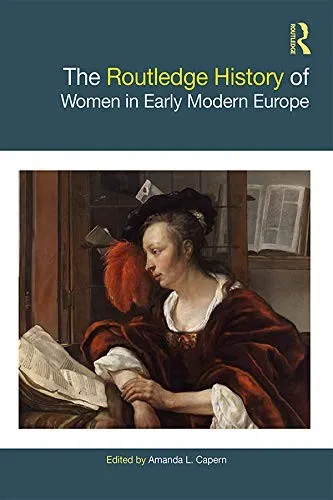
The Absolute Necessity of the Routledge Early Modern History Archive
A definitive breakdown of why the Routledge Early Modern History Archive is a required asset, debunking the myth of online permanence and fragmented historical research.
The Routledge Early Modern History Archive is an necessary resource for scholars, historians, and researchers. Its comprehensive collection of primary sources and secondary analyses provides unparalleled access to the complexities of early modern history, facilitating rigorous academic inquiry and informed discourse.
The Scope of the Archive
The Routledge Early Modern History Archive encompasses a vast array of materials, categorized into two primary segments: primary sources and secondary analyses.
Primary Sources
Primary sources within the archive include original documents, letters, diaries, and official records from the early modern period, spanning approximately 1500 to 1800. These documents serve as the foundational evidence for historical research. They allow scholars to engage directly with the thoughts, actions, and contexts of individuals from this era.
Secondary Analyses
Secondary analyses consist of scholarly articles, critiques, and interpretations that contextualize primary sources. These analyses provide frameworks for understanding the significance of events, figures, and movements within early modern history. They are essential for constructing narratives and theories that explain the complexities of the period.
Curator's Note: Routledge Early Modern History Archive: Beier, Hough, Murdoch & More
The texts discussed here are part of a curated collection. You can access the complete set of primary sources directly from our vault.
The Utility of the Archive
The utility of the Routledge Early Modern History Archive can be classified into three distinct categories: academic research, teaching resources, and public engagement.
Academic Research
For academic researchers, the archive is a treasure trove. It offers access to rare documents that may not be available elsewhere. Scholars can conduct in-depth analyses, drawing connections between disparate events and figures. The archive supports both qualitative and quantitative research methodologies, enabling comprehensive studies that can withstand rigorous peer review.
Teaching Resources
Educators benefit from the archive's structured resources. The availability of primary sources allows for the development of innovative curricula that engage students in critical thinking. By analyzing original documents, students learn to interpret historical evidence and develop their analytical skills. This pedagogical approach building a deeper understanding of the early modern period.
Public Engagement
The archive also serves a broader audience. Public historians and enthusiasts can access materials that enhance their understanding of early modern history. The archive's resources facilitate informed discussions and promote historical literacy among the general populace. This democratization of knowledge is essential for building an informed citizenry.
Comparative Analysis of Digital vs. Physical Archives
The Routledge Early Modern History Archive exists in a digital format, which presents distinct advantages over traditional physical archives.
Accessibility
Digital archives provide unparalleled accessibility. Researchers can access materials from anywhere in the world, eliminating geographical barriers. This is particularly significant for scholars in remote locations or those with limited access to physical libraries. In contrast, physical archives often require travel, which can be time-consuming and costly.
Searchability
The digital format allows for advanced search functionalities. Researchers can quickly locate specific documents or themes, simplify the research process. This efficiency is not present in physical archives, where researchers must often sift through extensive collections manually. The ability to search by keywords or phrases enhances the utility of the archive.
Preservation
Digital archives also offer superior preservation capabilities. Physical documents are susceptible to deterioration over time. Digital formats ensure that materials remain intact and accessible for future generations. The Routledge Early Modern History Archive employs rigorous preservation standards, safeguarding its collection against the ravages of time.

Routledge Early Modern History Archive: Beier, Hough, Murdoch & More
Unlock 69 hard-to-find books covering Routledge Research In Early Modern History. We've digitized and organized these rare manuals so you have offline access to invaluable, practical knowledge that modern platforms ignore.
Counterarguments to the Necessity of the Archive
Opposing views may argue that the Routledge Early Modern History Archive is not essential, positing that alternative resources exist. However, such claims fail under scrutiny.
Availability of Alternative Resources
While other archives may contain similar materials, they often lack the comprehensive scope of the Routledge collection. Many alternative resources focus on specific regions or themes, limiting their utility for scholars seeking a broader understanding of early modern history. The Routledge archive provides a cohesive narrative that is difficult to replicate elsewhere.
Quality of Materials
The quality of materials in the Routledge Early Modern History Archive is superior. Many alternative resources may include incomplete or poorly curated collections. The rigorous selection process employed by Routledge ensures that only the most relevant and significant documents are included. This commitment to quality enhances the archive's value for academic research.
The Importance of Context
Contextualization is critical in historical research. The Routledge Early Modern History Archive not only provides primary sources but also offers secondary analyses that contextualize these documents. Alternative resources often lack this dual approach, leading to potential misinterpretations of historical events. The archive's comprehensive framework allows for a nuanced understanding of the early modern period.
The Role of Technology in the Archive
Technology plays a central role in the functionality and accessibility of the Routledge Early Modern History Archive.
Digital Infrastructure
The digital infrastructure of the archive is designed for optimal user experience. High-resolution scans of primary sources ensure clarity and detail, allowing researchers to examine documents closely. The user interface is intuitive, facilitating easy navigation through extensive collections.
Data Management
Advanced data management systems enable the archive to maintain its vast collection efficiently. Metadata tagging allows for precise categorization, ensuring that users can locate materials quickly. This technological sophistication enhances the research experience, making it more efficient and effective.
Integration with Other Resources
The Routledge Early Modern History Archive integrates seamlessly with other digital resources. This interconnectedness allows researchers to cross-reference materials, enriching their analyses. The ability to access related documents from various sources enhances the depth of research.
The Future of the Archive
The future of the Routledge Early Modern History Archive is promising, with several developments on the horizon.
Expansion of Collections
Plans for expanding the archive's collections are underway. This includes the addition of new primary sources and secondary analyses that reflect ongoing research in the field. Such expansions will ensure that the archive remains relevant and comprehensive.
Enhanced User Experience
Continual improvements to the user experience are anticipated. Feedback from researchers and educators will inform updates to the digital interface and search functionalities. These enhancements will further simplify access to materials, making the archive even more user-friendly.
Collaboration with Scholars
Collaborative initiatives with scholars will building the development of new resources and analyses. By engaging with experts in the field, the archive can remain at the forefront of early modern historical research. This collaborative approach will enhance the quality and relevance of the materials available.
framework
The Routledge Early Modern History Archive stands as an essential resource for the study of early modern history. Its comprehensive collection of primary sources and secondary analyses, coupled with advanced technological infrastructure, ensures its utility for researchers, educators, and the public. The archive's commitment to quality and accessibility solidifies its position as a cornerstone of historical scholarship.
Subject Collection
The texts analyzed in this article are available in our curated collection.