Why You Need Ultimate Suppressor Collection – Rare Silencer Designs & Manuals
The ultimate guide and reasoning behind the Ultimate Suppressor Collection – Rare Silencer Designs & Manuals.
The Ultimate Suppressor Collection is essential for firearms enthusiasts and collectors, providing unparalleled access to rare silencer designs and manuals that enhance knowledge, compliance, and operational efficiency. This collection serves as a definitive resource for understanding the evolution and application of suppressor technology.
Historical Context of Suppressor Technology
Suppressors, often referred to as silencers, have a complex history that intertwines with military, law enforcement, and civilian applications. Their origins can be traced back to the early 20th century, with notable developments during World War I. The initial designs aimed to reduce the noise of gunfire, thereby enhancing stealth capabilities in combat scenarios.
The first commercially successful suppressor was developed by Hiram Percy Maxim in 1902. Maxim's design utilized a series of baffles to slow and cool the escaping gases, significantly diminishing the sound produced by a firearm. This innovation laid the groundwork for modern suppressor technology.
Evolution of Design
The evolution of suppressor design can be categorized into several distinct phases:
-
Early Designs (1900-1950): Characterized by simple baffle systems, these suppressors were primarily used by military forces. Their effectiveness was limited, and they were often cumbersome.
-
Post-War Innovations (1950-1980): The Cold War spurred advancements in suppressor technology. Manufacturers began experimenting with materials and designs, leading to lighter and more efficient models. The introduction of sound-absorbing materials marked a significant leap in performance.
-
Modern Era (1980-Present): The current generation of suppressors benefits from advanced materials such as titanium and advanced manufacturing techniques like CNC machining. These innovations have resulted in suppressors that are not only more effective but also more durable and user-friendly.
The historical trajectory of suppressor technology illustrates a clear progression from rudimentary designs to sophisticated devices that are integral to modern firearms.
Curator's Note: Ultimate Suppressor Collection – Rare Silencer Designs & Manuals
The texts discussed here are part of a curated collection. You can access the complete set of primary sources directly from our vault.
Legal Framework Surrounding Suppressors
Understanding the legal framework is critical for any collector or user of suppressors. The National Firearms Act (NFA) of 1934 established strict regulations governing the ownership and transfer of suppressors in the United States. Under the NFA, suppressors are classified as Title II firearms, requiring registration and a tax stamp for legal ownership.
State Variations
The legality of suppressors varies significantly by state. Some states have embraced suppressor ownership, while others impose stringent restrictions or outright bans. For instance, states like Texas and Arizona allow for unrestricted ownership, whereas California and New York have more prohibitive regulations.
This patchwork of laws necessitates that collectors remain vigilant and informed about the legal status of suppressors in their respective jurisdictions. Failure to comply with these regulations can result in severe penalties, including fines and imprisonment.
Compliance and Documentation
Collectors must maintain meticulous records of their suppressor acquisitions. This includes retaining copies of Form 4 applications, tax stamps, and any correspondence with the Bureau of Alcohol, Tobacco, Firearms and Explosives (ATF). The importance of proper documentation cannot be overstated, as it serves as proof of legal ownership and compliance with federal regulations.
Utility of the Ultimate Suppressor Collection
The Ultimate Suppressor Collection serves multiple purposes that extend beyond mere ownership. It is an invaluable resource for education, research, and practical application.
Educational Resource
The collection includes rare manuals and design documents that provide insight into the engineering principles behind suppressors. For instance, while a novice might rely on The Silencer Shop Guide to Suppressors for a basic overview, serious structural analysis requires access to original design specifications and historical context.
Research and Development
For manufacturers and engineers, the collection offers a repository of knowledge that can inform future innovations. By studying past designs, contemporary engineers can identify successful features and avoid historical pitfalls. This iterative process is framework for advancing suppressor technology.
Practical Application
Collectors who are also shooters benefit from the practical insights contained within the collection. Understanding the nuances of various suppressor designs can enhance shooting performance and safety. Knowledge of how different materials and configurations affect sound reduction and recoil management is essential for optimizing firearm operation.

Ultimate Suppressor Collection – Rare Silencer Designs & Manuals
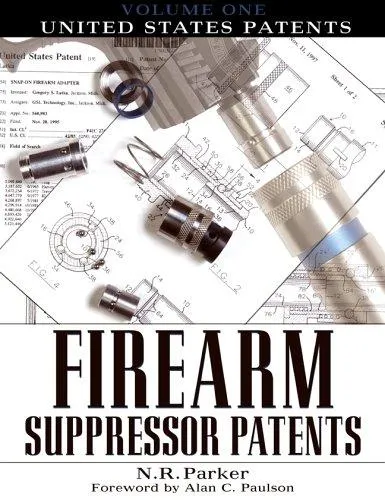
Unlock 38 hard-to-find books covering Suppressors. We've digitized and organized these rare manuals so you have offline access to invaluable, practical knowledge that modern platforms ignore.
Comparative Analysis of Suppressor Designs
Suppressor designs can be categorized into several types, each with distinct characteristics and applications.
Baffle Suppressors
Baffle suppressors are the most common type, utilizing a series of internal baffles to disrupt and cool the escaping gases. They are effective across a wide range of calibers and are favored for their versatility.
Integral Suppressors
Integral suppressors are built into the firearm itself, providing a seamless design that minimizes overall length and weight. This type is particularly advantageous for submachine guns and precision rifles, where balance and maneuverability are critical.
Modular Suppressors
Modular suppressors offer the flexibility of interchangeable components, allowing users to customize the suppressor's length and sound reduction capabilities. This adaptability makes them suitable for various shooting scenarios, from hunting to tactical applications.
Comparison of Effectiveness
When evaluating suppressor effectiveness, several factors must be considered, including sound reduction, weight, and durability. Baffle suppressors typically offer superior sound suppression but may be heavier than integral designs. Conversely, integral suppressors provide excellent balance but may sacrifice some sound reduction capabilities.
The choice of suppressor design ultimately depends on the intended use and personal preferences of the user.
Maintenance and Care of Suppressors
Proper maintenance is essential for ensuring the longevity and performance of suppressors. Neglecting maintenance can lead to decreased effectiveness and potential safety hazards.
Cleaning Protocols
Regular cleaning is necessary to remove carbon buildup and debris. The frequency of cleaning depends on usage; however, a general rule is to clean after every 300 rounds fired.
Inspection
Periodic inspections should be conducted to identify any signs of wear or damage. This includes checking for baffle erosion, thread wear, and overall structural integrity. Any abnormalities should be addressed immediately to prevent further damage.
Storage
Proper storage is critical for maintaining suppressor condition. Suppressors should be stored in a cool, dry place, away from direct sunlight and moisture. Utilizing protective cases can further safeguard against physical damage.
The Role of Manuals in Suppressor Collection
Manuals are an often-overlooked component of suppressor collections. They provide essential information regarding operation, maintenance, and legal compliance.
Historical Manuals
Historical manuals offer insights into the design philosophies of past manufacturers. Analyzing these documents can reveal the evolution of suppressor technology and the rationale behind specific design choices.
Modern Manuals
Contemporary manuals often include detailed specifications, maintenance schedules, and troubleshooting guides. These resources are invaluable for both collectors and users, ensuring that suppressors are operated safely and effectively.
Educational Value
The educational value of manuals cannot be overstated. They serve as a bridge between theoretical knowledge and practical application, enabling users to maximize the utility of their suppressors.
framework: The Imperative of Collecting Suppressors
The Ultimate Suppressor Collection is not merely a compilation of items; it is a critical resource for understanding the complexities of suppressor technology. From historical context to legal compliance, the collection encompasses a broad spectrum of knowledge that is essential for any serious firearms enthusiast.
The value of this collection extends beyond ownership. It serves as a foundation for education, research, and practical application. Collectors who invest in this resource position themselves at the forefront of suppressor technology, ensuring they remain informed and compliant in an ever-evolving framework.
Subject Collection
The texts analyzed in this article are available in our curated collection.